Sellers
What is the step-by-step roadmap for selling a home in Orange County?
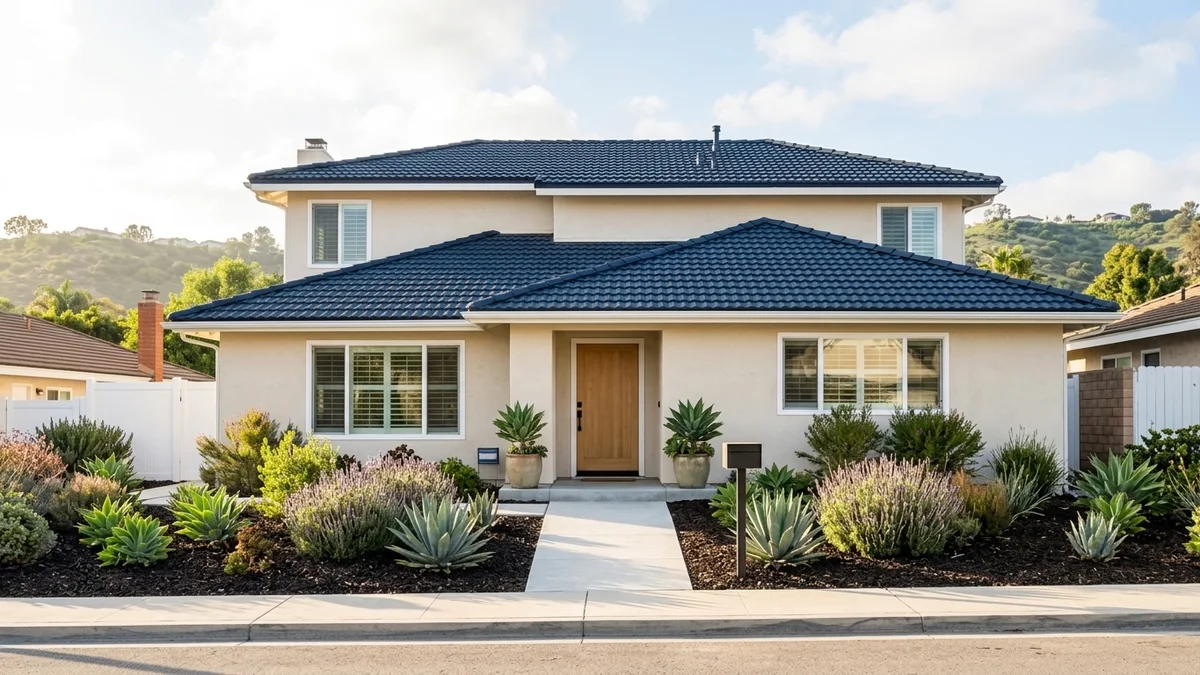
Selling a home in Orange County follows a clear order: settle your timing and next move, build a price from comparable sales, decide on repairs, start your California disclosures early, prepare and present the home, market it and host showings, review offers, work through inspections and the appraisal in escrow, then close and hand over the keys. Here is each step, in order, and what to decide at each one.
On this page
- Step 1: Decide your timing and your next move
- Step 2: Have a pricing conversation built on comparable sales
- Step 3: Take an honest look at condition and repairs
- Step 4: Start your disclosures and paperwork early
- Step 5: Prepare and present the home
- Step 6: Launch the marketing and open the home to showings
- Step 7: Review offers on more than price
- Step 8: Open escrow and respond to inspections
- Step 9: Get through the appraisal and the buyer’s loan
- Step 10: Close and move out
- How Missy walks sellers through the roadmap
Step 1: Decide your timing and your next move
The roadmap starts before anyone talks about price. The first step is deciding when you need to be moved out, and where you’re going next. Are you buying again in Orange County, moving to a smaller place, renting for a while, or leaving the area altogether?
Your answer shapes every step that follows: how much preparation is realistic, how flexible you can be on a closing date, and whether you need to line up your next home before this one sells. If you’re also buying, that sequencing deserves its own conversation, because the order you do things in changes the risk you carry.
A rough must-move-by date is enough to start. Write it down, note how firm it is, and build the rest of the plan backward from it.
Step 2: Have a pricing conversation built on comparable sales
Once you know your timing, the next step is understanding what your home is likely to sell for. That number shouldn’t come from an online estimate or a neighbor’s story. It should come from recent comparable sales: homes similar in size, type and condition that sold nearby, read alongside the homes buyers are choosing between right now.
A townhome in Aliso Viejo, a condo in Huntington Beach and a single-family home in Mission Viejo are each compared against very different sets of sales. A good pricing conversation walks you through the comparables themselves, explains why some count more than others, and shows where your home sits within that range.
The goal at this step is not a final list price. It’s a price range you understand well enough to make the next decisions around, especially what to fix and what to leave.
Step 3: Take an honest look at condition and repairs
With a price range in hand, walk the home the way a buyer and a buyer’s inspector will. Most sellers find a handful of things they’ve stopped noticing: a door that sticks, a slow drain, worn caulking, a light that never got replaced.
- Small repairs that are quick and inexpensive to finish
- Items an inspector is likely to note, such as visible leaks or electrical issues
- Larger projects you may choose to leave and price around instead
- Anything you already know about the home’s condition, even if it’s been repaired
Some sellers choose a pre-listing inspection so there are fewer surprises later. Others prefer to handle condition through price. Either can work. What matters is deciding on purpose, with the comparable sales from Step 2 in front of you, instead of reacting once a buyer’s report arrives.
Step 4: Start your disclosures and paperwork early
California sellers have disclosure obligations, and the forms involved can take real time to complete well. The specific requirements for your home are something to review with your brokerage and, where needed, a real estate attorney. This article is not legal advice, and the right answer for your situation should come from them.
What you can do now is gather the records those conversations will need:
- Permits and records for remodels, additions or major repairs
- Receipts and warranties for systems like the roof, HVAC or water heater
- HOA contact details, governing documents and recent notices, if your home has an HOA
- Any past inspection reports, insurance claims or repair invoices you still have
Many Orange County homes sit within a homeowners association, and HOA documents often come from a management company on its own schedule. Requesting them early means a buyer isn’t waiting on paperwork after you’ve accepted an offer. Questions about taxes on the sale belong with a tax professional, and questions about property records can go to the county.
Step 5: Prepare and present the home
Preparation is where the repair decisions from Step 3 turn into a finished home. For most sellers it means finishing the agreed repairs, decluttering, deep cleaning, and making the entry and outdoor spaces feel cared for. Some homes benefit from fresh paint or simple staging; others are ready with a good clean and a lighter room layout.
Plan this step against your calendar. Painters, cleaners and handymen book out, and the last week before photos goes faster than anyone expects. Packing early has a double benefit: the home shows better, and your move is already underway.
Photos, video and the written description come at the end of this step. They are the first impression for most buyers, so they should happen only once the home is truly ready.
Step 6: Launch the marketing and open the home to showings
When the home goes live, the plan shifts from preparing to responding. Listing details go out through the MLS and the sites buyers search, and showing requests start to arrive. Before launch, agree on how showings will work: how much notice you need, where pets will go, and whether open houses are part of the plan.
Feedback from showings is useful information. If buyers keep raising the same question, that’s something to address, whether through a quick fix, a clearer description or a conversation about price. Keeping the home show-ready during this stretch is tiring, so it helps to know roughly how long it may last and to plan around it.
Step 7: Review offers on more than price
When offers arrive, the highest number is only one part of the picture. Each offer also carries terms that affect how likely the sale is to close and how well it fits your timing from Step 1.
- How the buyer is paying, and how strong their financing looks
- Which contingencies are included, and how long each one lasts
- The proposed closing date, and whether you need time to rent back
- The deposit amount and any credits or repairs the buyer is requesting
You may accept an offer, counter it, or respond to several buyers at once. The contract terms themselves carry legal weight, so questions about what a clause means for you should go to your brokerage or a real estate attorney before you sign.
Step 8: Open escrow and respond to inspections
Once you accept an offer, escrow opens and the contract timeline begins. The buyer’s deposit goes into escrow, and the dates in the contract start to count down. Keeping a simple calendar of those deadlines is one of the easiest ways to keep a sale calm.
The buyer will usually schedule inspections early in escrow. When the reports come back, the buyer may ask for repairs, a credit or a price adjustment. You can agree, offer an alternative or decline. This is where the condition decisions you made in Step 3 pay off: there are fewer surprises, and your disclosures already cover what you knew.
Step 9: Get through the appraisal and the buyer’s loan
If the buyer is financing, their lender will order an appraisal. The appraiser looks at comparable sales much like the pricing conversation in Step 2 did, which is one reason a price built on real comparables tends to hold up better.
If the appraisal comes in below the contract price, there are usually several paths: the buyer brings more cash, the price is renegotiated, the two sides meet in the middle, or the buyer uses a contingency if one still applies. Meanwhile the buyer’s loan moves through underwriting. Your part during this step is mostly responsiveness: signing documents promptly and keeping the home in the condition it was in when the buyer agreed to buy it.
Step 10: Close and move out
As closing approaches, the buyer will usually do a final walk-through to confirm the home’s condition and that any agreed repairs are finished. You’ll sign closing documents with escrow, and once the sale records, the keys change hands on the agreed terms.
Schedule movers with some margin, leave the home clean, and gather what the next owner will need: keys, garage remotes, gate or mailbox keys, appliance manuals and warranty information. Cancel or transfer utilities to match the closing date, and keep copies of your closing paperwork for your records and your tax professional.
She made the entire home-selling process so much easier with her knowledge, patience, and constant communication.
That ease mostly comes from the order: each step settled before the next one starts, so no decision has to be made in a rush.
How Missy walks sellers through the roadmap
Missy works with sellers across Orange County, including Mission Viejo, Aliso Viejo, Lake Forest, Rancho Santa Margarita, Trabuco Canyon, Huntington Beach, Laguna Beach and Anaheim. Her first conversation with most sellers covers Steps 1 to 3: your timing and next move, the comparable sales behind a realistic price range, and an honest look at the home’s condition.
From there, the plan follows the same order, with each deadline written down and each decision explained before you make it. If you’re thinking about selling in the next year, starting that conversation early gives every step on this roadmap the time it needs.
This article is educational and is not legal, tax or pricing advice; confirm your specific situation with the appropriate licensed professional, such as a real estate attorney, CPA or lender.

Written by